Why 60% of WhatsApp Sales Happen After Hours (and How to Capture Them)

We analysed over 240,000 WhatsApp conversations across Storefront merchants in Lagos, Abuja, Port Harcourt, Ibadan, Kano, and Benin City. The finding was clear and it changes how you should think about staffing, marketing, and automation: 6 out of every 10 buying messages arrive between 7pm and 11pm — long after most business owners have closed shop for the day.
Break the data down further and it gets more interesting. Sunday between 8pm and 10pm alone accounts for 14% of all weekly WhatsApp orders across our platform. That is more than any two-hour window on any weekday. If you are offline on Sunday nights, you are missing your single biggest sales window of the week.
The 'Nigerian shopping window' is at night, and here's why
The pattern is not random. It maps almost perfectly to the daily rhythm of urban Nigerian life. Wake up, traffic, work, traffic home, dinner, family time — then finally, phone in hand, the mental space to make discretionary buying decisions. That is 7pm to 11pm.
The other big spike is weekend afternoons, 2pm to 5pm, when people are at home with time to browse. Together, these two windows account for roughly 75% of all buying-intent messages Nigerian consumers send on WhatsApp.
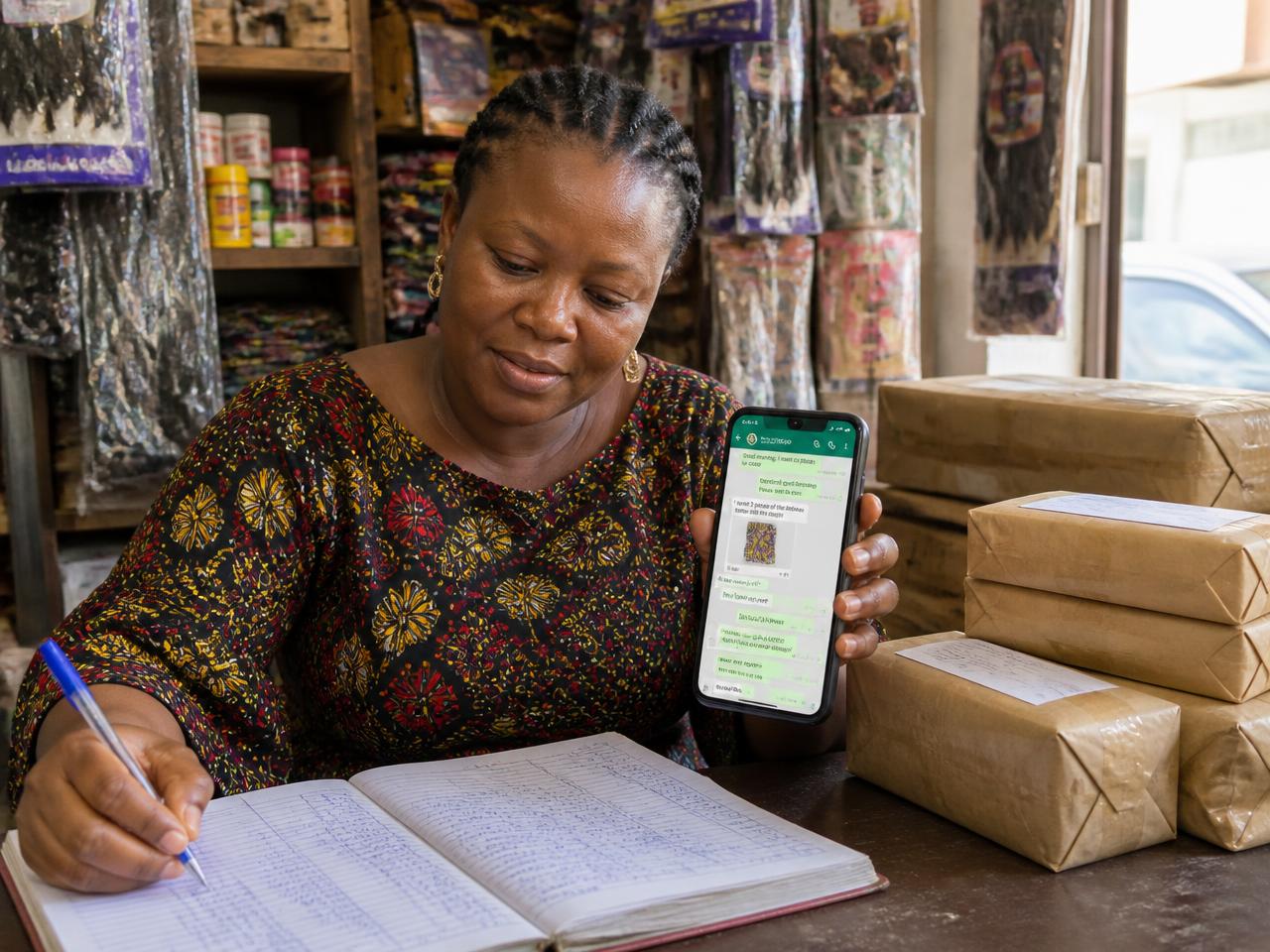
Most merchants staff the exact opposite of this pattern. They are 'open' 9 to 6, Monday to Saturday. Their WhatsApp goes dark right when their customers wake up.
Why humans alone cannot cover this window
The obvious answer is 'hire someone for evening shift'. It rarely works. We have watched merchants try this for years. Here is what actually happens: the person burns out within 90 days, weekend and public-holiday coverage collapses, mistakes creep in as tiredness sets in, and the cost per closed order climbs above ₦1,500 — often eating the entire margin on lower-priced items.
There is also a hidden cost: customer memory. If a shopper messages you at 10pm on Wednesday and gets a reply at 9am Thursday, they don't just delay — they often re-message a competitor in the meantime. By the time your reply arrives, they've already been convinced by someone else. WhatsApp itself doesn't tell you this happened. You just see a chat that went silent.
The AI solution (done right)
A properly trained AI assistant does three things brilliantly at night: it quotes accurate prices from your catalogue, it confirms delivery availability and cost, and it drops a payment link. That is 80% of what closes a night-time sale in Nigeria. The buyer wants a fast, factual answer — not a chat.
Storefront's AI is specifically trained for Nigerian commerce patterns. It understands 'how much?', 'pls send account details', 'do you deliver to Surulere?', 'is it original?', 'can I pay on delivery?' — and responds with the correct answer from your catalogue in under 3 seconds. It handles Naija-English spelling variations. It never invents a price you didn't set.
What to hand off to a human the next morning
The 20% that AI should not handle at 3am: complex negotiations, custom orders (special sizes, custom colours), complaints, refund requests, wholesale enquiries, and anything that mentions a competitor by name.
Storefront tags these chats automatically as 'needs human review' so you wake up to a clean list of 5 to 15 chats to handle personally — not a pile of 300 unread messages where the important ones are buried under 'how much?'.
The revenue impact
Across merchants who switched from manual-only to AI-first coverage of the 7pm–11pm window, we measured an average revenue lift of 34% in the first 60 days, and 51% by day 90. The mechanism is simple: previously-lost night-time chats now convert.
For a merchant doing ₦3M/month in WhatsApp sales, that is roughly ₦1M of new revenue every month, at essentially zero incremental cost. The AI never sleeps, never asks for a raise, and never forgets a follow-up.
What to do this week
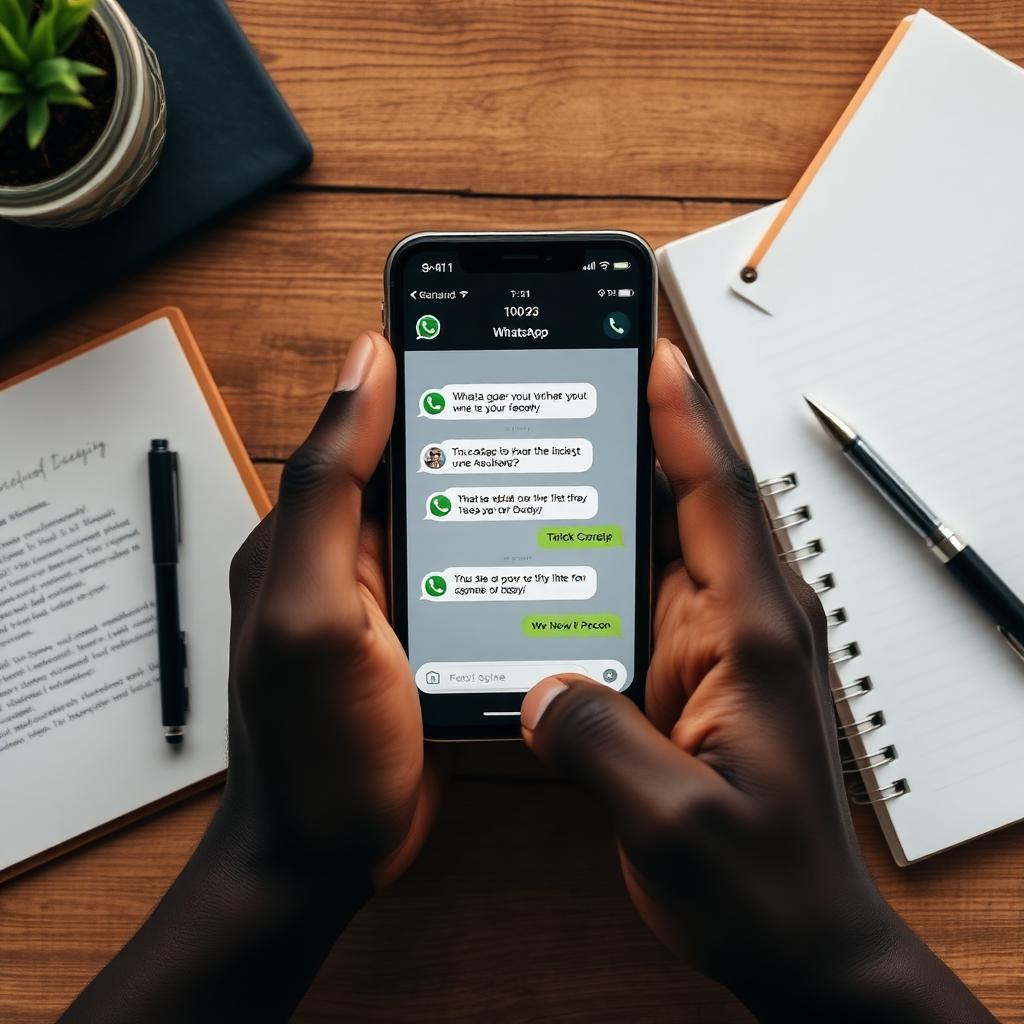
Even before you turn on AI, run this diagnostic: open your WhatsApp Business app tonight at 10pm and count how many unread messages you have. If it is more than 5, you have a night-time coverage problem. If it is more than 20, you are almost certainly leaving over ₦500k/month on the table.
Sleep is good. Sales while you sleep are better.